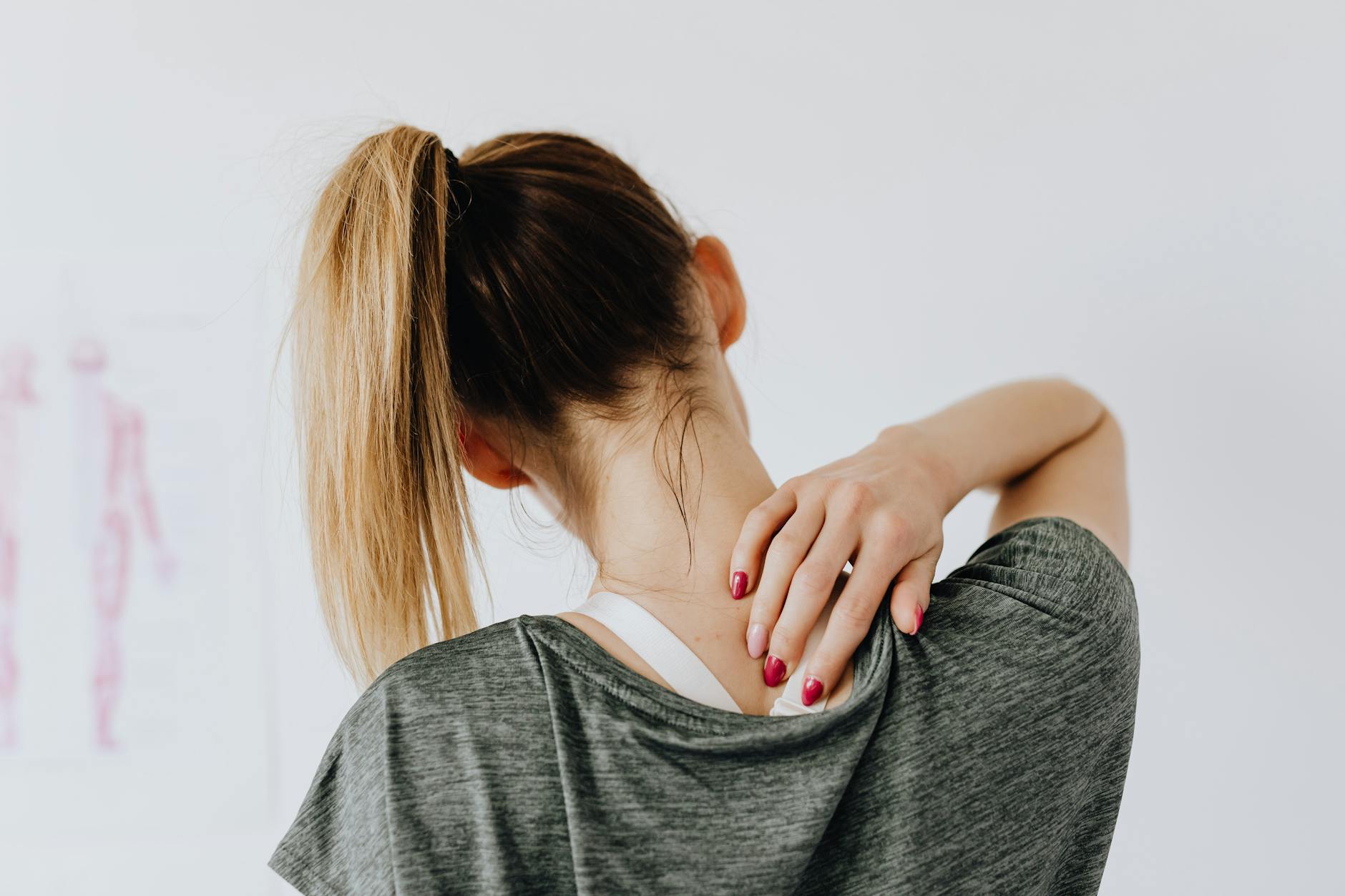
Experiencing setbacks such as knee pain, low back discomfort, or neck tension after starting a Pilates or yoga program can be discouraging, especially when the intention is to improve health and mobility. However, these challenges are not uncommon and do not necessarily mean the practice is harmful or that progress has failed. More often, they are signals that the body is adapting and needs a more thoughtful approach.
The first and most important step is to listen to the body without judgment. Pain is information, not a weakness. New movement patterns can expose areas of limited mobility, muscular imbalance, or poor postural habits that existed long before beginning the program. Rather than pushing through discomfort, it is essential to modify exercises, reduce intensity, or temporarily pause movements that aggravate symptoms.
Communication is equally critical. Working with a qualified instructor and clearly describing what you feel—where, when, and how—allows for appropriate adjustments. In Pilates and yoga, small changes in alignment, range of motion, or breath can significantly reduce strain on vulnerable areas such as the knees, lumbar spine, or cervical spine. Props, regressions, and slower pacing are tools for progress, not signs of inadequacy.
It is also important to manage expectations. Consistency does not mean rigidity. Rest days, cross-training, or seeking guidance from a healthcare professional may be necessary, particularly if pain persists. Supporting the nervous system through adequate sleep, hydration, and stress management further enhances recovery.
Ultimately, setbacks are part of the learning process. When approached with patience and self-compassion, they can deepen body awareness and lead to a safer, more sustainable practice. Progress in Pilates or yoga is not linear, but resilience is built by responding wisely—not forcefully—to what the body communicates.
More on the The Body-Mind Connection in Pilates: Training Intelligence, Not Just Muscles
Subscribe now to stay up-to-date on the latest!
Disclaimer: Participation in exercise programs of any kind is at the discretion of the reader. Consultation with a medical professional is advised.
This text was generated (in parts) by OpenAI’s language model, ChatGPT
Leave a Reply