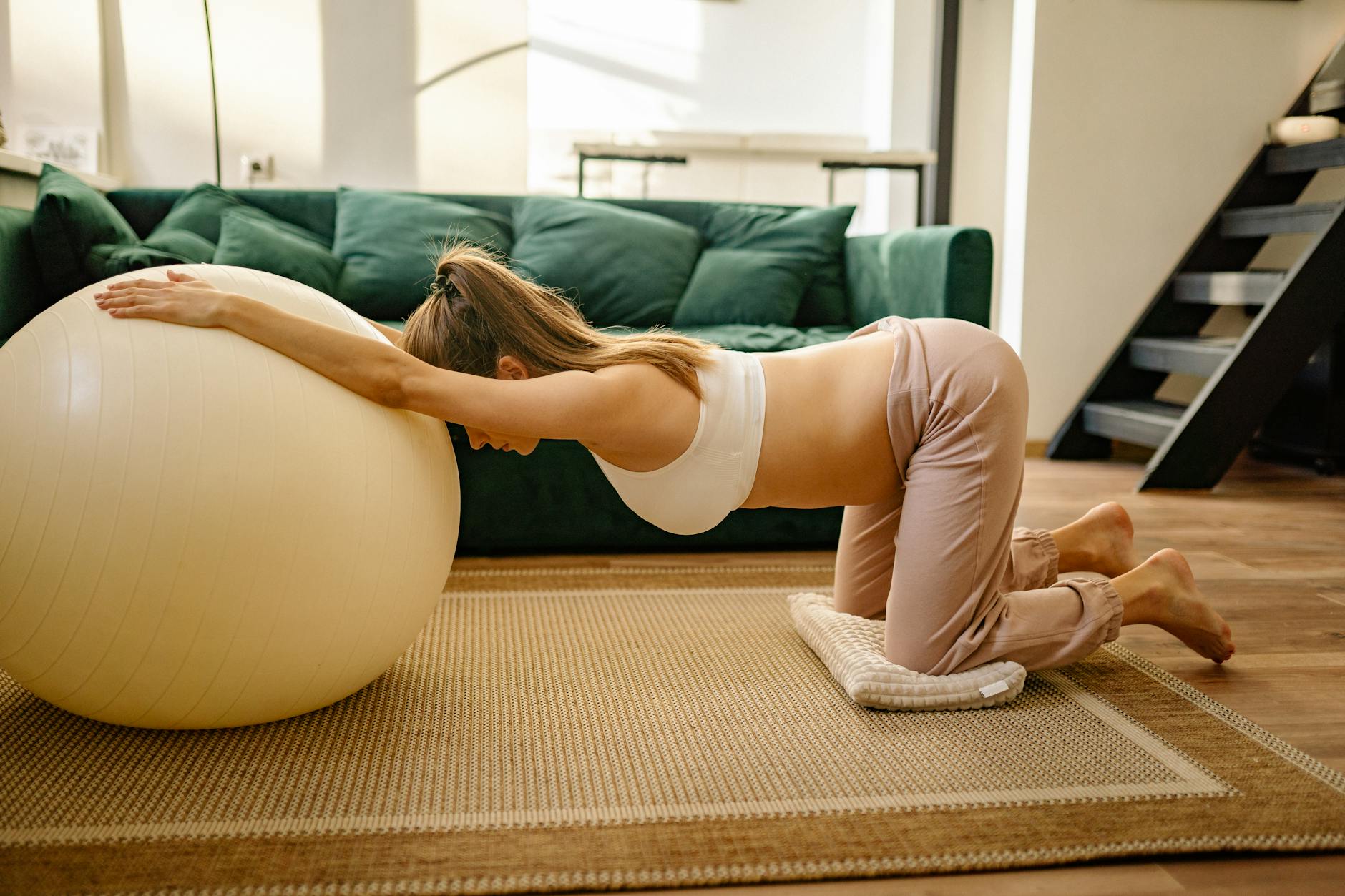
Pilates can be a valuable and supportive practice during pregnancy, but knowing when and how to modify is essential. Pregnancy brings continual physical changes, and a routine that felt comfortable early on may need adjustment as the body adapts.
One of the earliest cues to modify Pilates is changes in energy levels. Fatigue, nausea, or dizziness—especially in the first trimester—are signals to reduce intensity, slow the pace, and prioritize rest. Pilates during pregnancy should feel nourishing, not depleting.
As pregnancy progresses, postural and anatomical changes also require modification. The growing belly alters spinal alignment and load through the pelvis, making certain movements or positions less appropriate. Exercises that involve prolonged supine lying, strong abdominal compression, or excessive spinal flexion are often adapted or replaced, particularly in the second and third trimesters.
Another important consideration is joint stability. Pregnancy hormones increase ligament laxity, which can make joints more vulnerable. This is a time to emphasize control over range, avoiding deep stretches or forceful movements. Pilates’ focus on precision and stability is especially beneficial here—when taught with prenatal awareness.
Listening to physical feedback is key. Pain, breath holding, pelvic discomfort, or a feeling of pressure are signs that an exercise should be modified or skipped altogether. Working with a qualified instructor who understands prenatal Pilates can help ensure movements are appropriate and supportive at each stage.
Ultimately, modifying Pilates during pregnancy is not about limitation—it’s about responsiveness. Thoughtful adaptation allows Pilates to continue supporting strength, posture, and body awareness while respecting the profound changes of pregnancy.
Find out more: Is Pilates Safe During Pregnancy?
Subscribe now to stay up-to-date on the latest!
Disclaimer: Participation in exercise programs of any kind is at the discretion of the reader. Consultation with a medical professional is advised.
This text was generated (in parts) by OpenAI’s language model, ChatGPT
Leave a Reply