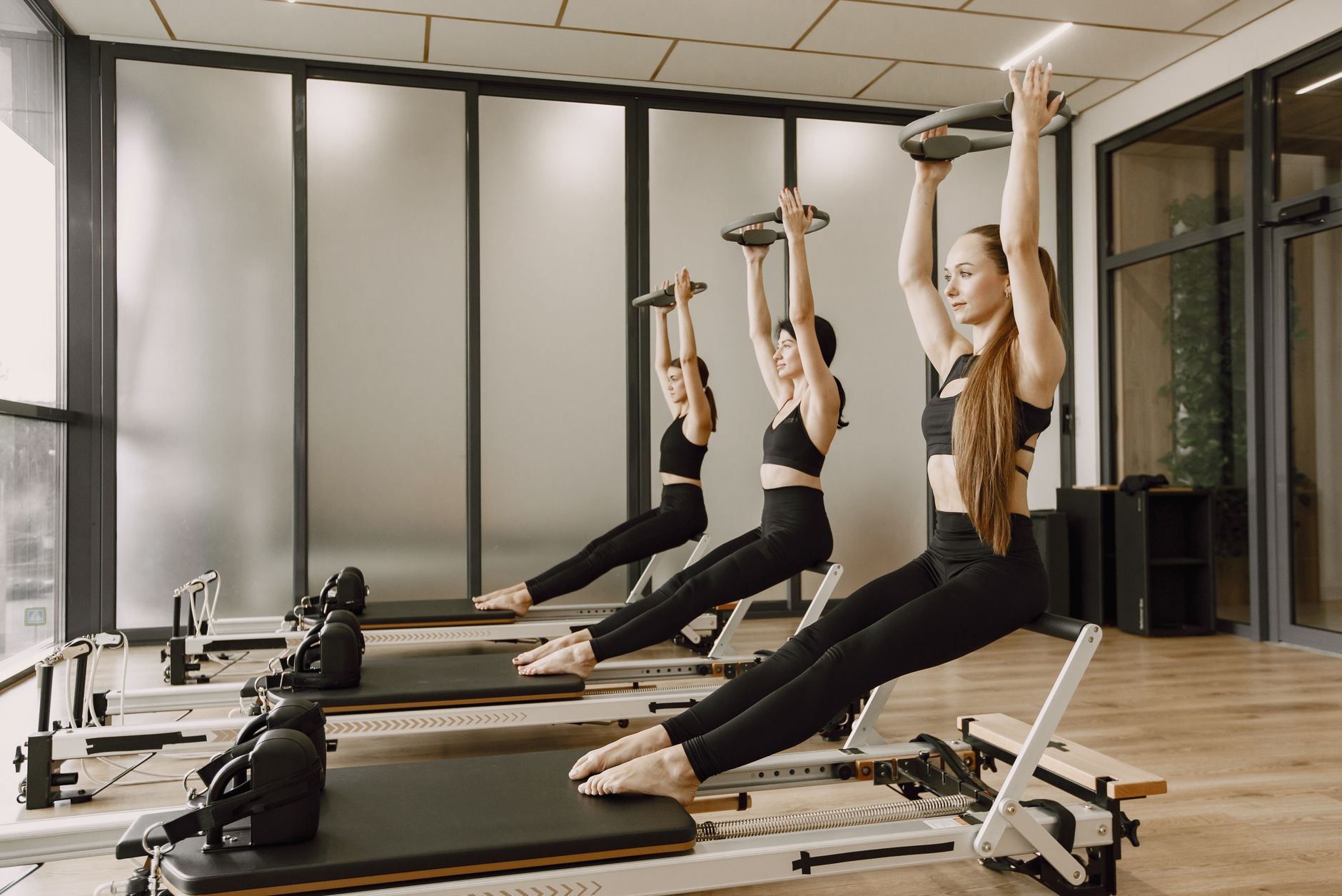
The fitness industry has always been driven by trends. Every few years, a “new” method captures attention, promises transformation, and dominates studios and social media feeds—until the next thing arrives. What’s interesting is that these trends are rarely new at all. Pilates, created nearly a century ago by Joseph Pilates, is a perfect example.
Pilates has surged in popularity in recent years, and in many ways, this is a positive development. More people are being introduced to mindful movement, core strength, posture, and body awareness—principles that Pilates has emphasized since its inception. Yet Pilates is far more than a workout, and its current popularity often reflects how the fitness industry has evolved: less about depth and consistency, and more about entertainment, novelty, and quick results.
As the industry has grown increasingly fast-paced and image-driven, movement practices are often packaged to be visually appealing, bite-sized, and easy to consume. The mat and the Reformer—while valuable tools—have become shorthand for Pilates itself. This can be frustrating for teachers who have studied and taught the full system for decades, including the lesser-known apparatus, the original sequencing, and the deeper philosophy behind the method.
None of this diminishes the value of Pilates gaining mainstream attention. But it does create a “buyer beware” environment. What is popular does not always reflect the integrity or virtue of the original work. When a method becomes trendy, it is often simplified to fit market demands—and eventually replaced by the next trend.
The question becomes: where does it end? Instead of chasing what’s fashionable, perhaps the greater opportunity lies in slowing down, going deeper, and committing to a method that truly works for one’s body. Pilates endures not because it is trendy, but because it is effective—and that truth exists beyond popularity cycles.
More on The Mind-Body Connection in Pilates: Training Intelligence, Not Just Muscles
Subscribe now to stay up-to-date on the latest!
Disclaimer: Participation in exercise programs of any kind is at the discretion of the reader. Consultation with a medical professional is advised.
This text was generated (in parts) by OpenAI’s language model, ChatGPT
Leave a Reply