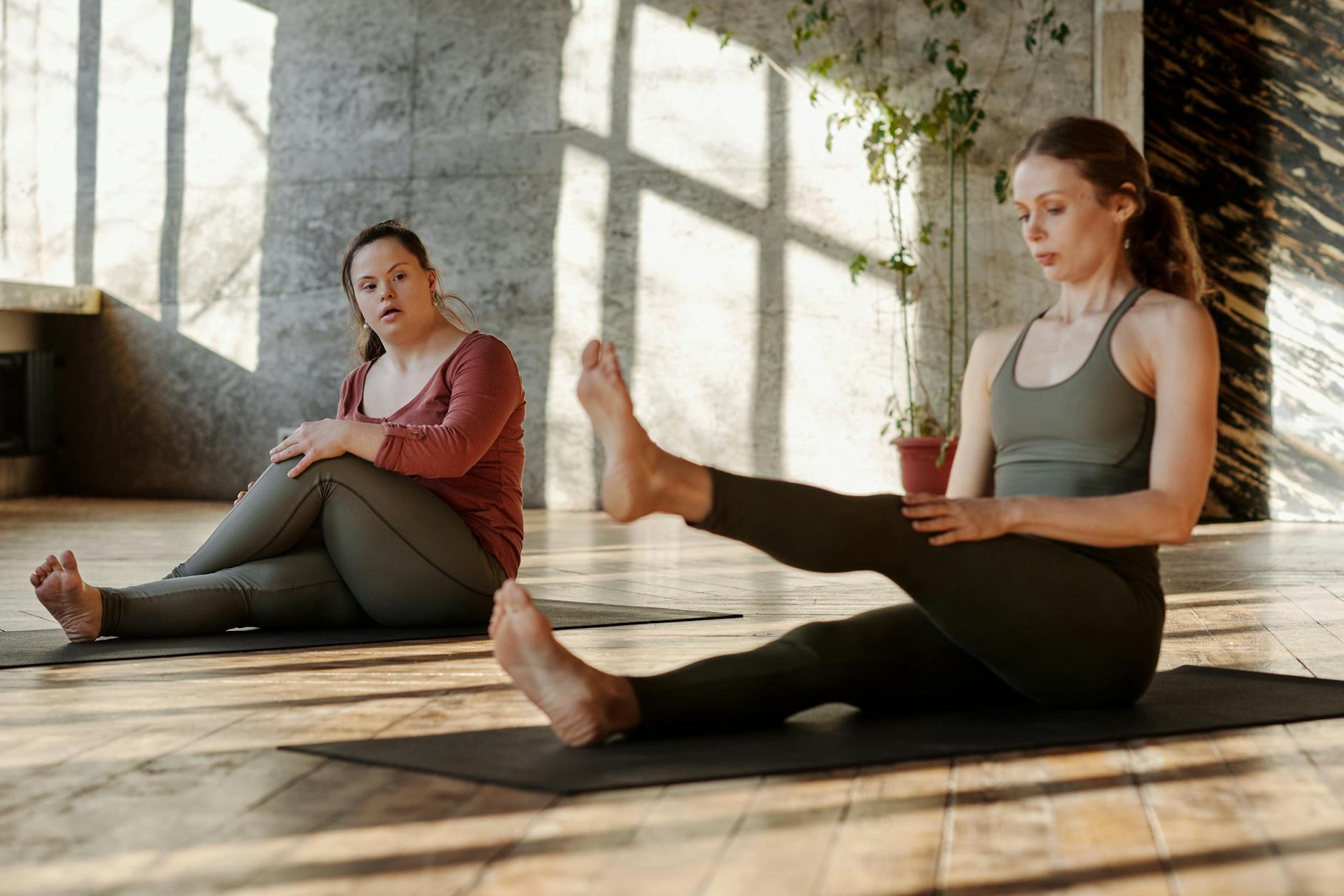
In today’s fitness landscape, trends move fast—hybrid workouts, high-intensity intervals, and ever-evolving boutique concepts dominate the conversation. Yet, amidst the noise, classical Pilates remains quietly enduring, offering something many modern methods overlook: a system built on precision, intention, and longevity.
Developed by Joseph Pilates, the original method—often referred to as Contrology—was never designed as a quick fix. It is a structured, progressive system that trains the body as an integrated whole. Every exercise has a purpose. Every movement is connected. And every session builds upon the last.
What distinguishes classical Pilates from many contemporary adaptations is its commitment to sequence and integrity. Rather than cherry-picking exercises, the classical method follows a deliberate order that warms, mobilizes, strengthens, and restores the body in a balanced way. This sequencing is not arbitrary—it reflects decades of refinement and observation.
In a world that often prioritizes intensity over intelligence, classical Pilates offers a different approach: move better, not just more. The emphasis on alignment, breath, and control cultivates not only physical strength but also body awareness and efficiency of movement—qualities that translate into everyday life.
There is also a deeper philosophical layer. Joseph Pilates famously said, “Physical fitness is the first requisite of happiness.” His method was never just about the body—it was about creating a harmonious relationship between mind and movement.
As fitness continues to evolve, classical Pilates stands as a reminder that not all progress requires reinvention. Sometimes, the most powerful systems are the ones that have already stood the test of time.
More on Why Pilates Has Become So Popular?
Subscribe now to stay up-to-date on the latest!
Disclaimer: Participation in exercise programs of any kind is at the discretion of the reader. Consultation with a medical professional is advised.
This text was generated (in parts) by OpenAI’s language model, ChatGPT
Leave a Reply